Digital services for motorists continue to modernize


As we saw at this year’s AAMVA conferences, system modernization will remain a key focus going into 2026. From inter- and intrastate digital services to online user experiences and mobile credentials, it’s more critical than ever for agencies to ensure their systems are capable of keeping up with rapidly changing technology. And while agencies don’t need to rush AI integrations, future-proofing their systems to meet future demands is critical.
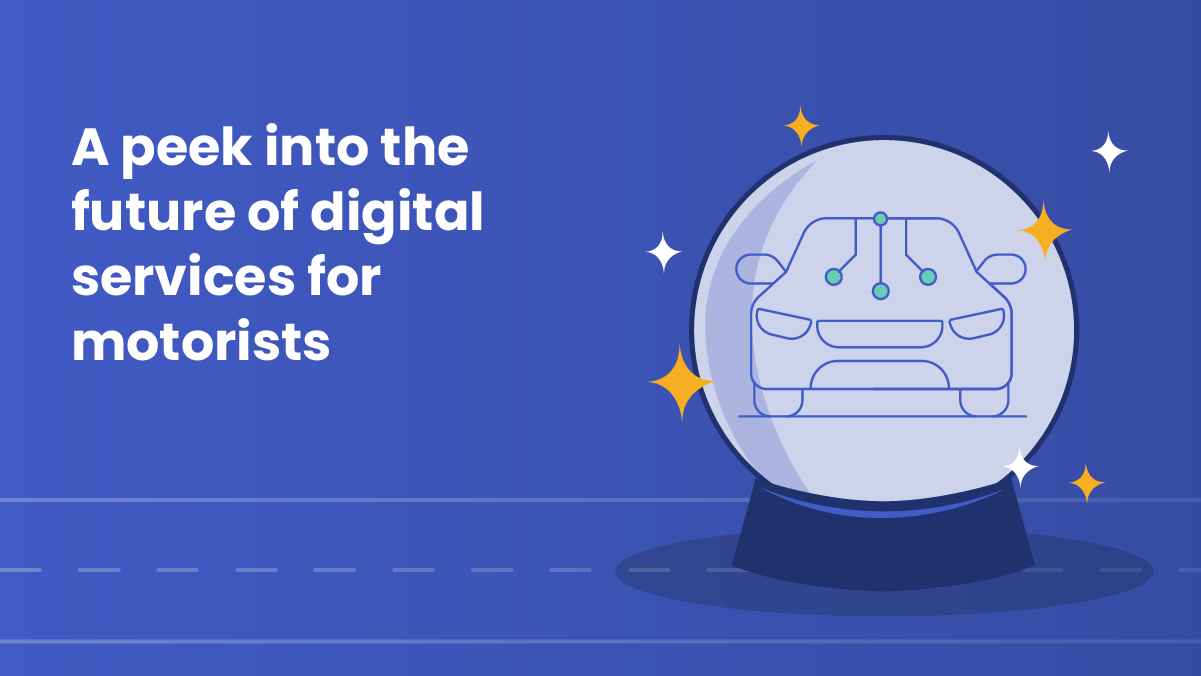
The future of digital services for motorists
Customers expect agencies to provide modern solutions that help keep them out of waiting rooms — making digital service delivery a cornerstone of driver & vehicle service agencies’ service models. Emerging technologies, such as mobile credentials (mDLs), continue to advance the trend toward more digital, interconnected services.
Customer service and public safety lie at the core of system modernization
Real-time data sharing unlocks critical inter- and intrastate connections that curb fraud, ensure motorist safety, and can help make it easier for clerks and residents to navigate regulatory requirements. And as digital services such as mDLs gain traction with motorists, secure, real-time data connections are critical to ensuring personal data remains safe.
Digital services with access to real-time data can also provide more contextual information during online interactions, employ tighter data security and fraud prevention protocols, or offer users specific steps to navigate a roadblock — even outside of AI chat agents.
These systems are changing quickly, requiring agencies to juggle technical modernization efforts alongside their day-to-day operations.
User expectations are changing, but there’s no need to rush to AI
Much like the internet and then smartphones, artificial intelligence (AI) is shaping up to fundamentally change the way users interact with businesses and government agencies. Although many residents are apprehensive about the use of AI in government (particularly when it comes to their personal data), the experience that AI offers — readily available, contextual information presented in an easily accessible format — is already driving a rapid shift in consumer expectations.
While leveraging AI isn’t a prerequisite for offering convenient, user-friendly digital services, modern systems and data infrastructure are. Software and systems that agencies rely on — from the National Motor Vehicle Title Information System (NMVTIS) to third-party providers — are increasingly expecting to integrate with systems built for modern APIs.
Future-proofing your agency for the next generation of motorists
While modernizing systems is easier said than done, putting off system improvements makes it increasingly difficult to keep up with interstate system interfaces and third-party providers.
Residents are already faced with a web of regulations and paperwork required to establish residency or apply for a credential. And aside from the fact that missing paperwork slows down clerks and frustrates customers, legacy system interfaces or manual checks can unintentionally expose your agency or the customer to fraud.
Ensuring your systems are future-proof should be a core part of your agency’s strategy — but modernizing your systems doesn’t have to happen overnight. Reaching out to other states that have upgraded their systems can give you valuable insight, and your system providers should also be a resource.
While incremental improvements don’t make a big splash, the ability to adapt to user demands and deliver services that improve customer satisfaction and reduce office wait times is critical to sustained success.
Looking for more content?
Get articles and insights from our monthly newsletter.