
How investing in the resident experience enables digital government automation


For years, state and local government leaders have known the importance of offering services digitally. How that’s looked in practice varies, with some agencies content to simply get an online payments page live. This might have seemed like a “good enough” option for agencies, who are often strapped for resources and budget.
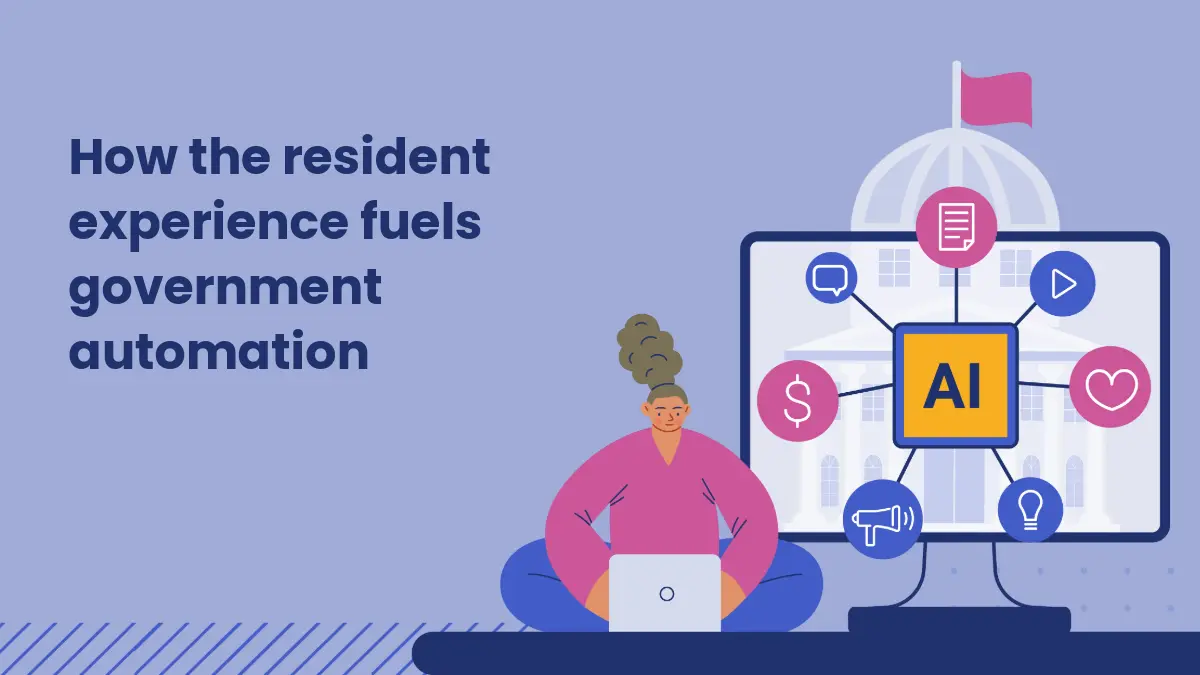
Today, technologies like artificial intelligence (AI) are driving the next wave in government modernization — but without a high volume of residents using an agency’s digital service, government leaders are missing out on the full promise of automation.
The untapped potential of government automation
Agencies have already started to adopt AI, with 90% of state and local government respondents in our 2026 research reporting they are either actively pursuing or have already deployed an AI-powered solution. These use cases range from digital service discovery to chat bots to customer support. But agencies with low digital adoption rates are leaving a lot of opportunity on the table.
Once real transaction volume is flowing through a system, the math on automation changes, sometimes exponentially. A reconciliation tool that saves a few minutes on a handful of manual matches a week might be nice to have. One that saves hours a day across thousands of transactions is an operational gamechanger. A digital service discovery tool that helps residents quickly find the necessary service (paying their property tax bill, for example) can help agencies avoid a few support phone calls, but when more people are able and willing to use the digital service, it can free up staff to focus on the complex cases or other long-shelved priorities.
Getting residents online
- Is it easy to use? Governments have to serve everyone, regardless of age, education level, language, or ability. That’s a higher bar than the private sector carries. A service that misses modern accessibility standards excludes residents who would otherwise transact online, and each one of them becomes a phone call or a counter visit instead. Clear, accessible design brings more residents online and brings them back time and time again.
- Is it trustworthy? An agency can offer the best software available and still be manually processing checks and walk-ins if residents don’t trust the digital channel. Clear security indicators and consistent messaging that this is the official way to transact helps move them there. As AI shows up in more services, saying plainly where and how it’s used is part of keeping that trust.
- Is it visible? One of the easiest ways to drive channel shift is through continual, omnichannel awareness efforts. Residents need to know the service exists, what they can do with it, and where to find it. If it’s buried on a labyrinthine government website, residents might quickly abandon the effort to find it. And when new services are added to the offering, it’s important to communicate this to constituents.
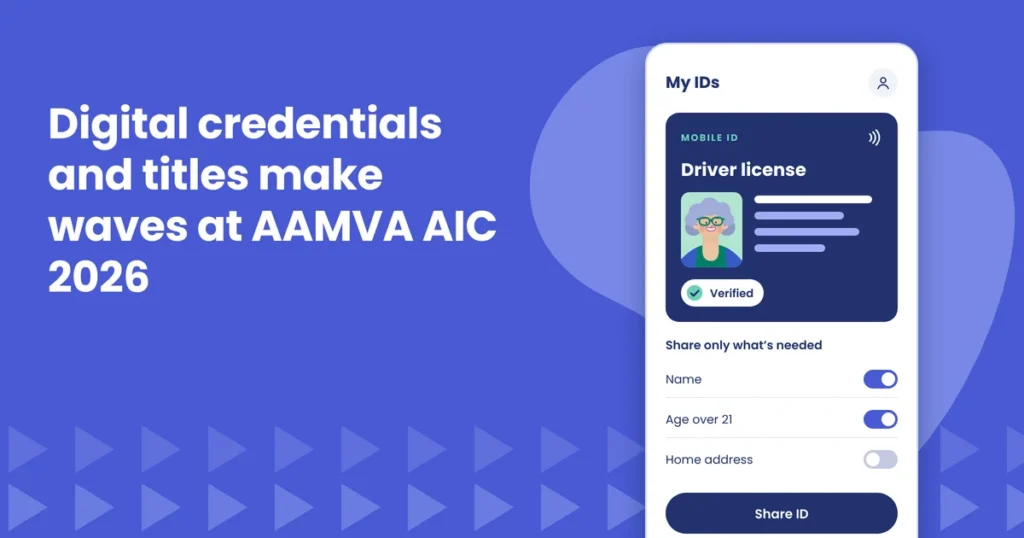
- Does it offer all the services it can? AI has opened up new opportunities for government automation that might previously have been too complicated or sensitive. For example, constituents can now use their smartphones to verify their identity rather than having to go into a DMV office. The more services available to residents in a digital experience, the higher the likelihood that residents will have a reason to use it.
The ROI of investing in the resident experience
A technology vendor that only focuses on the back office is optimizing a shrinking pile of manual work, not the growing digital one that’s actually worth automating. When residents actually use an agency’s digital service, they see real results.
For example, Anoka County, Minnesota saw a 30% reduction in support call volume within the first 60 days of launching Smart Guide, an AI-powered service discovery feature, to their residents — with 20% of new service traffic now driven by Smart Guide. These are early results, representing a portion of the potential online engagements. As more users go to transact throughout the year, the results will likely scale in kind.
In Grand Rapids, Michigan, they collect 85% of payments electronically, up from 53% in 2016. Online collections have grown 491% since GR PayIt launched in 2017, and Grand Rapids leadership widely attributes the success of the platform to a resident-first approach that brings multiple services into one, user-friendly experience. This kind of shift is what gives automation features enough real transaction volume to generate meaningful time and cost savings, and Grand Rapids has deployed AI-powered features in GR PayIt to capitalize on these savings.
Learn more about getting your agency AI ready. Get the guide.
You might also like
Useful GovTech insights — right in your inbox
Get articles and insights from our monthly newsletter.