Looking beyond technology in conservation modernization


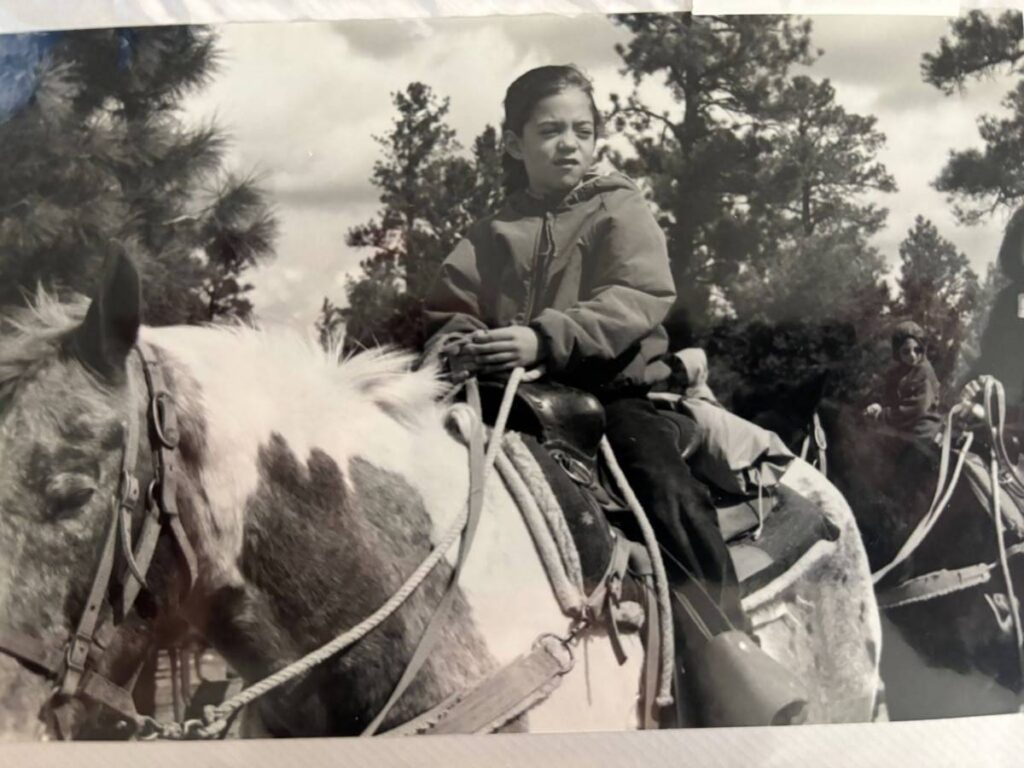
I didn’t grow up hunting or fishing, but I spent a lot of time outdoors in Northern New Mexico — hiking, camping, riding, and biking — without really thinking about conservation. That changed when PayIt acquired S3, and I got my first real exposure to the conservation community. It’s been one of the most eye-opening parts of my career.
The work these professionals do every day is incredibly important and often goes unrecognized.
Learning the ropes
The community has welcomed me with open arms. Spencer from Arkansas Fish and Game shared with me how electric currents enable the safe study of fish and their ecosystems. Dave from Minnesota DNR patiently taught me the differences between turkeys and pheasants, laughing with me about my naivety while recognizing that I was eager to learn. When I harvested my first deer, Nathan from the Missouri Department of Conservation provided so much encouragement and pride.

Alongside the warm welcome, I’ve learned a lot about the challenges conservation agencies face as they seek to drive participation. Preparing for my first hunting trip, I experienced barriers to participation firsthand:
- The regulations seem complicated, hard to understand, vary by state, and honestly scared me; I worried I might accidentally violate one
- Agency websites contain tons of industry jargon that can be confusing, intimidating, and lead someone to give up quickly
The more I’ve learned, the more I believe technology partners have a unique opportunity to contribute to the conservation mission; not only to simplify the experience in recruitment, retention, or reactivation, but also to improve the process of actually implementing new technologies for conservation teams.
Conservation in the digital era
Conservation agencies are doing critical work on decades-old systems layered with custom logic, making them costly, fragile, and hard to maintain. Modernization offers clear benefits: better user experiences, stronger security, built-in compliance, streamlined operations, and the ability to scale. But getting there isn’t simple.
Too often, we’ve seen legacy processes — many without a regulatory basis — treated as untouchable.
At the same time, many requirements are rooted in statute, funding rules, and audit obligations that agencies cannot simply set aside. Distinguishing between what is required and what is habitual is not always straightforward, and getting it wrong carries real consequences.
Clinging to discretionary complexities is just as limiting to software development as it is to your agency’s R3 efforts.
Modern software can offer a brighter future. Built for configuration rather than heavy customization, it’s easier to deploy, update, and maintain. Improvements can be delivered continuously, with every agency benefiting from shared innovation instead of rebuilding the same solutions. The result is faster iteration, lower costs, stronger security, and more time for conservationists to focus on their mission, not their technology.
Realizing that potential, however, requires a shift. Agency leaders and their technology partners have to rethink how they work together to fully unlock these outcomes.
A different approach to technology partnerships
As we attempt to retrofit modern platforms to legacy requirements, partners have fallen short of mutual goals and delivered features that can’t reach their full potential, resulting in fraught relationships and delayed deployments. PayIt is no exception.
We underestimated the effort in some areas and overestimated clarity in others. We’ve rebuilt parts of our platform to accommodate customizations while also rolling out new features. We made tough tradeoffs and struggled to balance innovation with delivery. We still have a lot of work to do, but we learn from our mistakes and successes, and I believe we are getting better every day.
Our clients have pushed us to deliver and have collaborated with us to prioritize features, phase delivery, and reduce customization. The model is working: Four agencies have gone live on PayIt Outdoors since 2023, with four more on the way. As we collaborate with our clients to rethink the approach, we are able to move more quickly and deliver innovation that will benefit the conservation community over the long term.
Coming together to solve real problems
The challenge before us is bigger than upgrading software; it’s transforming long-standing processes and mindsets biased towards the status quo.
This is not just a conservation agency problem. In my experience working with government organizations of every stripe, I’ve seen countless examples of manual processes, system workarounds, and business rules that no longer make sense. Even when the team agreed it was not a good process, no one felt empowered to change it.
It’s time for us to take the long view and drive change. Improving participation and achieving the mission requires shared responsibility, a willingness to part ways with outdated approaches, and compromise. We have to acknowledge that technology can’t evolve unless the processes and our mindsets evolve too.
The path to better outcomes is for state agencies to work closely with their partners to scrutinize their requirements and identify those that result in outsized customization and risk. It also requires all of us — partners, agencies, and nonprofit organizations — to collaborate on industry standards, processes, and a high-impact role for technology in driving participation.
Modernization isn’t just a technology challenge; it’s a balancing act between innovation, regulatory responsibility, and operational stability. Without a shift in mindset, technology partners will be less innovative, delivering suboptimal platforms that quickly become obsolete or break under pressure.
Conservation is too important to let this happen.
My experiences have deepened my appreciation for the work our conservation agency partners do, and the same is true for many of my colleagues. Working together with the outdoors community, we can overcome these challenges and make practical, lasting change.
Looking for more content?
Get articles and insights from our monthly newsletter.