How better reporting improves efficiency in government agencies
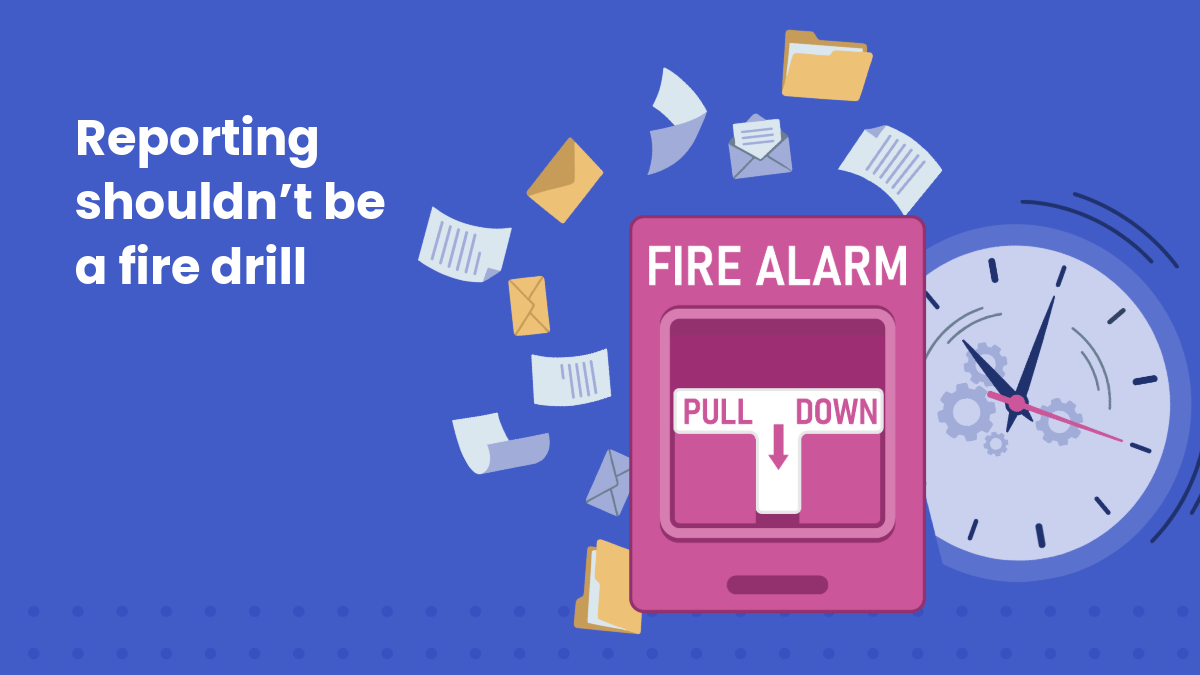


For many government teams, reporting still feels reactive.
Staff log into multiple systems, export transaction files, reconcile totals across spreadsheets, and manually rebuild reports — hoping the numbers line up before the deadline.
It works, but it’s exhausting.
Why reporting takes so much effort
When reporting feels like a scramble, the root cause is rarely the reporting itself. It’s the underlying system design.
In many agencies, payment data lives across disconnected platforms. Online payments may sit in one system, in-person transactions in another, and reconciliation records in yet another. Extracting a full picture requires stitching together multiple exports and manually validating totals.
Common challenges include:
- Information stored across multiple systems with inconsistent formats
- Manual report creation for each new request
- Static exports that don’t support follow-up questions
- Overreliance on a small number of staff who understand how to pull and reconcile the data
This structure creates a cycle of repeated effort. Each report becomes a one-off project instead of a reliable process.
And all that manual work takes time and introduces operational risk. Spreadsheet errors, version control issues, and inconsistent data definitions can undermine confidence in reporting, especially during audits or public records requests.
The hidden cost of fragmented reporting
When reporting depends on manual processes, the cost isn’t always visible in a budget line item.
Staff hours are diverted from strategic initiatives to repetitive data pulls. Institutional knowledge becomes concentrated in a few individuals, creating vulnerability when those employees transition roles. And leadership decisions may be delayed because reliable numbers aren’t immediately available.
In legacy environments, reporting often lags behind operations. Agencies might be able to process payments digitally, but insight into performance, revenue trends, or service adoption requires separate analysis. That gap slows decision-making and limits the agency’s ability to respond quickly.
What agencies actually need from reporting
Effective reporting means making the right data easy to access, verify, and interpret. Modern government teams need:
Standardized, audit-ready reports
Reports should be consistent, repeatable, and aligned with compliance requirements. Audit trails, transaction IDs, timestamps, and user identifiers should be embedded.
Full transaction histories in a single system of record
A centralized view of payment activity eliminates the need to reconcile across fragmented platforms. When data lives in one place, accuracy improves, and effort decreases.
Flexible export options
Finance teams, auditors, and department leaders often need data in different formats. CSV, PDF, and structured exports should be readily available without custom development or manual manipulation.
Self-service access with appropriate permissions
Reporting shouldn’t bottleneck around one or two power users. Role-based access allows departments to retrieve the information they need while maintaining oversight and security.
These capabilities are increasingly built into modern government payment platforms and agency admin portals. Instead of relying on static exports, staff can access dashboards, filter data dynamically, and drill down into transaction-level detail without rebuilding reports from scratch.
How modern platforms change reporting
Newer digital government payment platforms are designed to embed reporting and analytics directly into administrative workflows.
Rather than treating reporting as a separate function, these platforms integrate:
- Real-time dashboards within the agency admin portal
- Searchable transaction histories
- Built-in reconciliation tools
- Visual trend analysis for revenue and adoption metrics
This shift fundamentally changes how agencies interact with their data. Instead of rebuilding reports each time a question arises, staff can:
- Answer common operational questions using built-in tools
- View trends visually instead of scanning raw tables
- Filter transactions by date range, payment type, or department
- Reduce reliance on manual spreadsheets and custom queries
Modern platforms also support cross-department visibility, allowing finance, operations, and leadership to align around the same source of truth.
From reporting to insight
When reporting is no longer a scramble, staff can focus on interpreting what the data means, leadership can make decisions based on real-time performance, and finance teams can close books faster and respond to audit requests with confidence.
With centralized systems, integrated analytics, and thoughtfully designed admin tools, agencies can turn reporting from a fire drill into a routine, reliable process — and shift their focus from gathering data to using it.
Looking for more content?
Get articles and insights from our monthly newsletter.