
The guide to tokenization for government payments
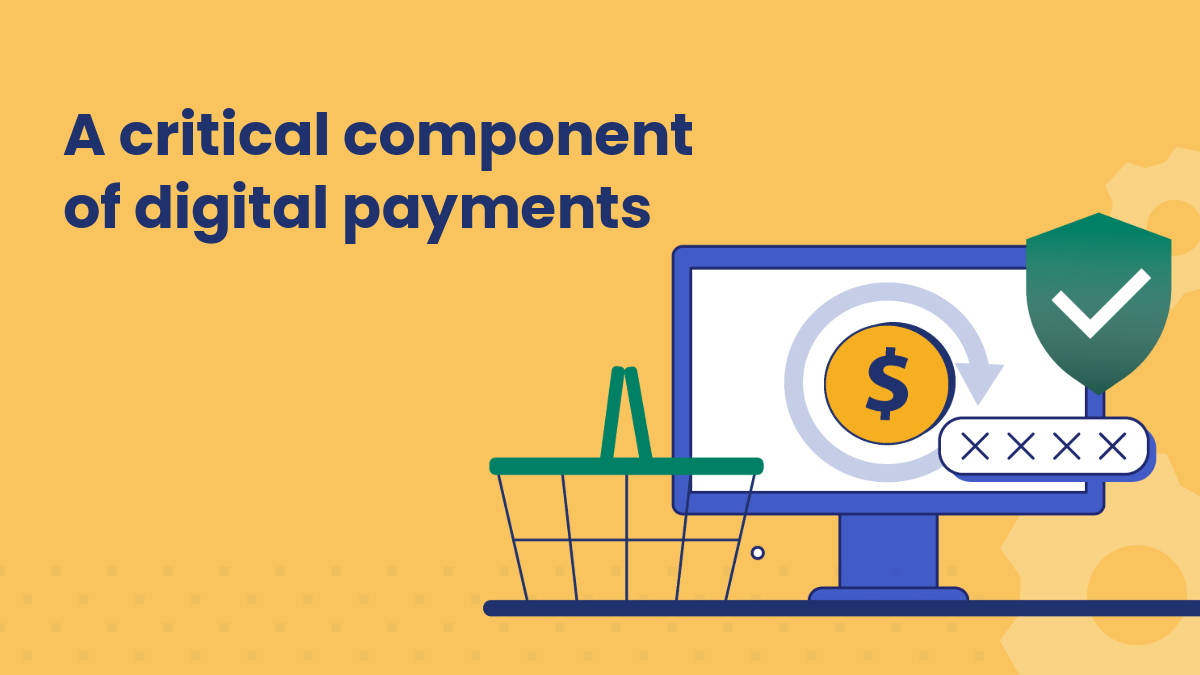


Tokenization has been around for years, but as more consumers use digital payment methods, it’s become a critical security measure for businesses and the public sector.
What is tokenization?
Tokenization replaces a sensitive card number, called the Primary Account Number (PAN), with a secure “token.” That token can be used for transactions without ever revealing the real card details. The goal is to reduce fraud, improve authorization rates, and make recurring and multi-channel payments more secure.
How tokens work
Imagine a resident paying their water bill online. When they enter their card details, the system immediately swaps that information for a unique token. That token stands in for the real card number at every step of the transaction.
Here’s what happens behind the scenes:
- Checkout: The resident enters their payment details or selects a saved card.
- Tokenization: Instead of sending the actual card number through the system, it’s replaced with a secure “token,” a stand-in set of characters that represents the card numbers. This keeps the actual card details safe. Different systems handle tokenization in different ways – some use payment networks or third-party services, while others handle it directly.
- Processing: That secure token moves through the payment process to complete the transaction, without ever exposing the real card number.
- Verification: The card issuing bank approves or declines the transaction, all while keeping sensitive information protected.
The process happens in seconds, but the difference is significant; the transaction can be completed without exposing sensitive card information to external parties.
Why tokens matter
Tokens make payments safer and smoother. Payments are safer because the real card data is hidden, reducing the risk of a breach exposing sensitive information. Tokens make payments smoother since they can update automatically when a card is replaced or renewed after expiring, reducing the number of failed payments in recurring billing or subscription models.
They’re also linked to measurable business results. Cards have reported that tokenized transactions are approved at higher rates, often a few percentage points better, because issuers trust them more. Fraud rates are lower, and customer satisfaction improves because saved cards keep working even when physical cards change.
So how does tokenization look in daily life?
You’ve probably already used tokens without realizing it. Apple Pay and Google Pay rely on them to process in-store and online payments securely. Subscription platforms like Disney+ and Spotify use them to manage recurring billing. Even large retailers like Amazon use tokens to power one-click checkout.
In emerging scenarios, such as AI-driven “agentic commerce,” tokens make it possible for digital assistants to make payments on behalf of users without exposing sensitive card data.
What this means for government and public services
For municipalities and agencies, tokenization brings new reliability to digital payments. Residents who pay for water bills, licenses, or court costs can keep their saved payment methods active without having to provide their card details again and again. This means fewer declined payments, fewer support calls, and a better experience for everyone involved.
Clearing up a few myths
A few common misconceptions are worth addressing.
- Tokenization doesn’t remove PCI DSS requirements. It can reduce the scope of compliance, but organizations must still ensure that the systems interacting with the tokenization service meet PCI requirements.
- Lower fees aren’t guaranteed. Some cards may offer slightly better rates for tokenized transactions, but it depends on the program and merchant category.
- Tokens aren’t just for wallets (i.e., Apple Pay). They’re used across e-commerce, recurring payments, and even multi-acquirer routing setups.
Building on the power of tokenization
Tokenization has evolved from a security enhancement into a payment enabler. It keeps data safe, reduces friction, and helps ensure that payments just work, even when the cards behind them change.
For any organization that handles resident payments, understanding how tokens work and asking whether your payment partners support them is an important step toward building a more secure and reliable experience.
You might also like
Useful GovTech insights — right in your inbox
Get articles and insights from our monthly newsletter.